In our modern, screen-centric world, “Tech Neck” has become more than just a buzzword; it is a physical reality for millions of office workers and digital enthusiasts. The repetitive strain of looking down at smartphones and hunching over laptops leads to a specific set of musculoskeletal imbalances: rounded shoulders, a forward-tilting head, and chronic tension in the cervical spine. At Norma Shiatsu Croydon, I treat these issues not as permanent fixtures of modern life, but as habits that can be unlearned through the “mechanical reset” of Shiatsu.
For the readers of gethealthylifestyles.com, improving your posture isn’t just about “sitting up straight.” It’s about releasing the deep-seated tension that pulls your body out of alignment. Shiatsu offers a practical, everyday toolkit to restore flexibility and reclaim your natural stature.
Points of Release
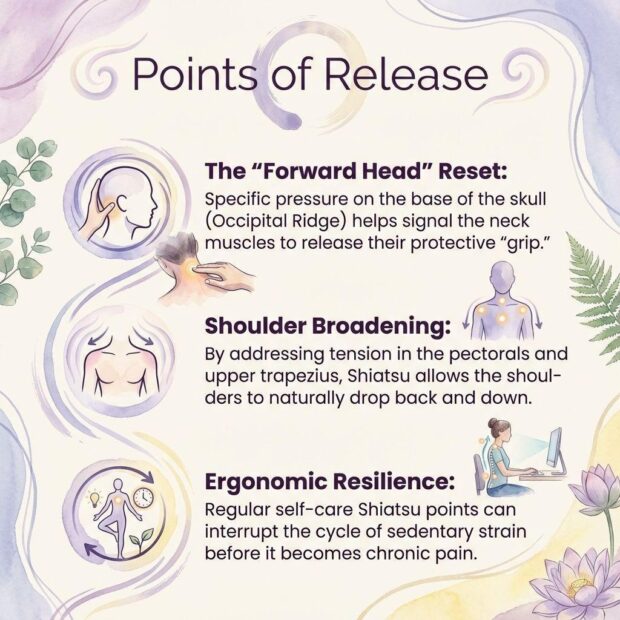
- The “Forward Head” Reset: Specific pressure on the base of the skull (Occipital Ridge) helps signal the neck muscles to release their protective “grip.”
- Shoulder Broadening: By addressing tension in the pectorals and upper trapezius, Shiatsu allows the shoulders to naturally drop back and down.
- Ergonomic Resilience: Regular self-care Shiatsu points can interrupt the cycle of sedentary strain before it becomes chronic pain.
Understanding the “Tech Neck” Loop

When you tilt your head forward, the effective weight of your head on your neck increases significantly—from about 5kg in a neutral position to nearly 30kg at a 60-degree tilt. This creates a constant “tug-of-war” for your muscles.
Shiatsu works to break this loop. By applying firm, sustained pressure to the Gallbladder 20 (GB-20) points at the base of the skull, we can facilitate a deep release of the suboccipital muscles. This doesn’t just feel good; it helps the brain recalibrate where “neutral” is, making it easier to maintain better posture throughout your workday.
The Posture Checklist: 3 DIY Shiatsu Moves
You don’t always need a full session to find relief. Here are three simple lifestyle tips you can use at your desk:
- The Skull Pivot (GB-20): Find the hollows at the very base of your skull on either side of the spine. Use your thumbs to apply firm upward pressure while gently tilting your head back. Hold for 30 seconds.
- The Shoulder Well (GB-21): Locate the highest point of your shoulder muscle. Use your opposite hand to “hook” into the muscle with your fingers and apply downward pressure. This is a primary “point of release” for the tension caused by raised shoulders.
- The Hand Gateway (LI-4): Often, neck tension starts in the hands from typing. Squeeze the fleshy web between your thumb and index finger. This point is clinically known to reduce general upper body tension and headaches.
Moving from Stagnation to Flow
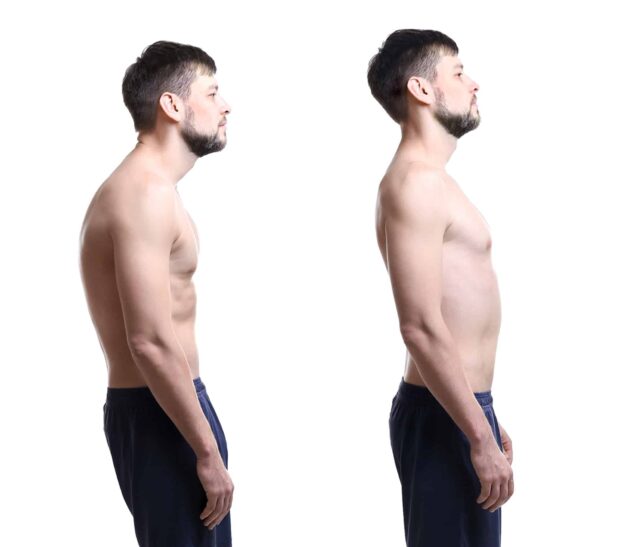
A sedentary lifestyle leads to physical and energetic stagnation. As my client PB noted, Shiatsu provides a “simultaneously relaxing and energising” effect because it gets the blood moving where it has been blocked by poor posture.
When we use Shiatsu to realign the musculoskeletal system, we are also improving our breathing capacity. A hunched posture compresses the diaphragm; a Shiatsu-aligned posture opens the chest. This increased oxygenation is the ultimate “lifestyle hack” for better focus and lower stress levels.
Conclusion: Your Daily Alignment
Fixing “Tech Neck” is a journey of body awareness. By incorporating small moments of Shiatsu pressure into your daily routine, you move from “crisis management” to proactive health. It is about treating your body with the same “gentle strength and compassionate care” that I strive to provide at Norma Shiatsu Croydon.
Finding a high-quality London Japanese Massage can be life-changing for those seeking to reverse the effects of “Tech Neck” and modern postural strain; visit Norma Shiatsu Croydon to see how we can help, or if you are visiting or local to us, simply book in a session with Norma at your convenience.
About the Author
This article was brought to you by Norma Powell, a dedicated Shiatsu practitioner at Norma Shiatsu Croydon. Norma specialises in helping modern professionals overcome the physical toll of sedentary work through nurturing, grounding, and effective bodywork.
Frequently Asked Questions
How often should I do these self-Shiatsu moves?
For the best results, try the “Skull Pivot” or “Shoulder Well” every 2 hours during your workday. Consistency is key to re-training your muscles.
Why does my neck feel sore after I fix my posture?
When you shift back into alignment, muscles that have been “sleeping” have to start working again. This mild soreness is a sign of your body adapting to a healthier position.
Can Shiatsu help with “Mouse Hand” or Carpal Tunnel?
Yes. By working on the meridians that run from the fingertips through the neck (like the Large Intestine and Triple Burner lines), Shiatsu helps reduce the repetitive strain associated with computer use.